
Sample lesson – “How do I recognize signs of trauma in my students?”


Lesson contents
- iSTEP-GLOBAL & Courses
- One of the biggest trauma-related questions
- Signs of Post-Traumatic Stress Disorder (PTSD) in school
- Signs of Developmental Trauma in school
- Mediating factors
- Cultural sensitivity
- Assignment 1 – Jordan’s developmental trauma
- What can teachers do?
- Assignment 2 – Applying signs & strategies
- TedTalk – What have ACES got to do with me?
- Learning activities & evaluation rubric
- Websites, Books & References
iSTEP-Global
Thank you for considering iSTEP-GLOBAL as your CPD provider for short, in-depth overview, and deep-dive courses on the well-being of traumatized children and adolescents, caregivers, and the institutions that support them.
Built on 3 decades of research, development, and practice, iSTEP-GLOBAL is an international education institute that provides a wide range of trauma-recovery services (see our services page). Our online college continuing professional development (CPD) courses are designed for busy professionals and paraprofessionals, and their institutions.
Our courses
Our courses, developed by iSTEP-GLOBAL international experts are of 3 main types (i) short-courses that last 30 mins to 1 hour, in-depth overview courses (4 hours) and (ii) deep-dive courses comprised of multiple lessons (12 lessons). All courses are based on self-paced learning.
If you are thinking of enrolling in multiple short-courses, it will be worth considering the deep-dive courses as these are cost-effective. A range of prices are available to suit budgets and learning styles. All courses provide a certificate of completion and points towards accessing free materials.
The following free sample lesson has been designed to introduce you to the style of our courses and to provide you significant learning to apply in educational settings. As trauma-sensitive schooling is a complex and challenging field, our sample course provides signposts to related CPD.
| Link to iSTEP-GLOBAL short, in-depth overview, and deep-dive courses.
We, at iSTEP-GLOBAL wish you every success whether you are looking for tips and strategies, to deepen your knowledge and skill base to improve your performance, fulfill professional standards, or boost your career opportunities in the public, independent/private and international sectors. Together through trauma-sensitive education, we continue to take small steps towards healing a fractured world. |
https://istep-global.com/our-courses/
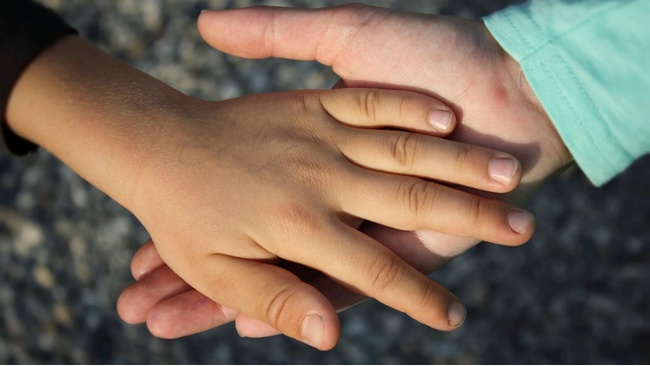
One of the biggest trauma-related questions
One of the biggest trauma-related questions educators are asking is: how do I recognize the signs of trauma in my students.
Signs of trauma in students vary greatly depending on whether a child has experienced a horrific event, a cluster of traumas, or cumulative trauma experiences such as domestic violence, abuse, neglect (ACES: Adverse Childhood Experiences) or inter-generational trauma.
The resultant signs of trauma can be viewed from two different lens. Firstly, students who have experienced a single event or cluster traumas tend to present with the signs of post-traumatic stress disorder (PTSD), whereas children who experience multiple traumas, especially at the hands of their caregivers, present with the signs of developmental trauma. The latter similar to signs of complex trauma in adults who were abused as children.
Recognizing signs of trauma in students can be challenging because trauma shows up in many ways. While understanding that no single behavior definitively means a child has experienced trauma, below is a list of signs that indicate that a student(s) has been exposed to a traumatic event or experience(s):
Signs of Post-traumatic Stress (PTSD)

Students with PTSD experience three main types of symptoms, some of which are invisible to the educator. The three main types are (i) intrusions or flashbacks, (ii) hyper-arousal such as fear and terror, and (iii) avoidance, e.g. not being able to go back into situations that are reminders of the original trauma. PTSD is a triggered response from sensory fragment(s) of the original traumatic experience – see the case study below as an example.
Case study – Samantha
Samantha, is a 14 year old female student who was recently beaten by a gang at the edge of her town. Although the attack was in the past, Samantha is still triggered in class by sensory fragments of the original trauma event. The table below shows the triggering sensory fragments, the resultant observable behavior in class, and how both relate to the original traumatic experience.
| Sensory Fragment & Observed Behavior | Original traumatic experience |
| Loud voices in class (auditory intrusion) – putting her hands over her ears |
Being shouted at during the assault “kill her, kill her” |
| Teachers aftershave (Olfactory intrusion) – strange look on face & moving away from the teacher |
One of the attackers was wearing a strong smelling aftershave |
| Unexpected touch by a student (embodied intrusion) – flinching ‘as if’ being hit |
Repeatedly being kicked & punched |
| Feeling anxiety about a learning task (emotional intrusion) – looking anxious, agitated & refusing to do the task |
Feeling fear & terror during the assault |
| Seeing a group of students in the playground (visual intrusion) – refusing to go to school |
Seeing the gang chasing, catching & beating her |
Signs of PTSD in the classroom
Here is a more detailed list of signs that children and adolescents can present within the classroom and school as a consequence of PTSD:
1. Emotional & behavioral dysregulation
- Explosive outbursts or aggression
- Extreme withdrawal or dissociation
- Sudden mood changes, e.g. crying unexpectedly
- Overreactions to minor challenges or redirection
2. Hyper-vigilance & anxiety
- Appears “on edge”, jumpy, or easily startled
- Constantly scans the environment or seems distrustful
- Has difficulty concentrating because they are in “survival mode”
3. Avoidance behaviors
- Skipping school or certain classes
- Avoiding eye contact or conversation
- Zoning out, daydreaming, or looking “checked out”
4. Somatic complaints
Some students may report frequent headaches, stomach aches, or fatigue or make regular visits to the nurse, without a clear medical cause.
5. Academic difficulties
Other students may have difficulty attending to what the teacher is saying, concentrating, remembering instructions, problem-solving or completing assignments.
Others present with a sudden unexplained drop in performance or motivation.
6. Relationship struggles
Students also present with difficulty trusting adults or forming friendships with peers. Some students may present with clinyness or the opposite, detachment, and avoidance. Others will have ongoing conflicts with peers or isolate themselves from their peer group.
Rather than looking for one or two signs in school, clusters of signs over time are more likely. Some students, of course, show no external signs at all in school. They may have learned to contain themselves in the classroom but present with relational and behavioral problems elsewhere.
Signs of developmental trauma in the classroom
In contrast to the single event trauma experienced by Samantha resulting in PTSD, students who experience cumulative traumas, e.g. abuse, domestic violence, neglect, and war etc., present with symptoms that are more pervasive. Bessel van der Kolk referred to these signs and symptoms as developmental trauma disorder (DTD: van der Kolk, et al., 2009).
Students who present with developmental trauma following cumulative traumatic experiences tend to show pervasive signs of traumatization in class, school, home, and community settings. As with PTSD, some children, show no signs of distress, while others present with ‘odd’ behavior, e.g. walking round the edge of the classroom each day (a subtle communication that something is wrong).
Developmental trauma

Bessel van der Kolk and his colleagues identified at least 14 different signs indicative of developmental trauma. These include:
- Hopelessness and depression, e.g. talking as if they have no joy in life and no hope for a future. In more serious cases this can include suicidal ideation (thinking about suicide) and suicide attempts.
- Persistent negative comments about oneself, including feelings of worthlessness, and/or shame, e.g. “I am no good, it’s all my fault.”
- Problems with trust and forming, and sustaining relationships with peers, and adults, e.g. avoidance or aggression. This also includes relationship difficulties in the family.
- Difficulties with touch, appropriate boundaries, and intimacy, e.g. reacting angrily or with fear when touched.
- Dissociation, e.g. problems remembering what has been learned, looking ‘out of it,’ and difficulties with attention, focus, problem-solving, and abstract reasoning.
- Inability to be soothed, difficulty self-calming or being calmed by others, e.g. not responding to support to be calmed.
- Emotional coldness with an emotionally switch off heart, e.g. being cruel to peers, others, and animals
- Lack of empathy for others, e.g. some students, because they struggle to feel for themselves, also don’t feel for others. this can present as not caring for oneself and not looking after others, such as presenting as not caring for themselves or others (siblings, friends, peers).
- Risk-taking behavior, e.g. for some because lack of feelings, judgement of risk is poor. Others get caught in a loop of revisiting situations similar to the original trauma, e.g. getting into other situations of violence.
- Victim or victimizing – some will repeatedly re-enact the trauma with themselves in either the victim or the perpetrator role.
- Maladaptive coping mechanisms include self-harm, e.g. cutting self to feel something, eating disorders which can be a slow form of suicide, and substance use to self-sooth and cut off the emotional pain of the trauma.
- Learning difficulties and serious developmental delays.
- Exhausted at school because of disturbed sleep and nightmares (intrusions).
- Body aches and pains – often related to where assaults occurred on the body, but not exclusively so.
1. For an in-depth 4 hour overview course see Pervasive Signs and Symptoms of Trauma. Click on the link below.
2. For a deep dive into the signs of child trauma in classroom & school – see the course on Child Trauma – Exposure, Symptoms and Neurobiology. Click on the link below.
https://istep-global.com/our-courses/
Mediating factors for signs of trauma in class

Children don’t all respond to trauma in the same way, and the signs they show in class can depend on a range of mediating factors, this is, factors that influence the frequency, duration, and severity of the presenting problems. Below is a breakdown of 7 key mediating factors that shape how trauma shows up in the classroom.
1. Period of development
Younger children tend to be more severely impacted because of their emotional and cognitive immaturity. They act out, regress (e.g., baby talk), or show separation anxiety, whereas older children internalize trauma and become withdrawn, depressed, or hyper-controlling. While trauma disrupts executive functioning across all ages, in adolescents this is most obvious in their problems with planning, impulse control, and focus. Adolescents males are more prone to acting out.
2. Attachment & relationships
Secure attachment (to caregivers, a teacher, or caring adult) can buffer trauma symptoms. In contrast, insecure, anxious or disorganized attachments often result in a child’s clingyness, aggression, or mistrust of authority. Students who have trusting relationships with at least one adult show greater emotional regulation and respond better to therapy.
3. Type, severity & duration of trauma
Single event traumas, such as a car crash and natural disasters may cause short-term symptoms for some children but longer term symptoms for others. Children with PTSD who do not receive therapeutic support are likely to experience symptoms in the long-term.
Chronic or complex trauma (e.g., abuse, neglect, domestic violence) , results in the signs and symptoms of developmental trauma which has deeper, long-lasting effects, especially on identity, trust, and self-regulation.
Interpersonal trauma (e.g. child abuse) generally has a more severe impact than impersonal trauma, e.g. natural disasters.
4. Protective factors
The presence of at least one safe, stable, and supportive adult is a strong protective factor for student healing. Consistent routines, school support systems, and emotional safety are all beneficial. Teaching students skills that increase self-awareness, and build coping strategies helps foster resilience in the long-term.
For minoritized students, community support and the encouragement of cultural identity (e.g. through indigenous mentoring) helps students gain a sense of meaning and belonging – both essential components for healing.
5. Cultural and environmental context
Cultural norms affect how emotions are expressed (or suppressed). For example, children in the middle East tend to show more embodied symptoms, while those in the west, more behavioral. Some communities experience trauma as collective (e.g., racism, displacement, war), rather than individual. These factors impact the expression of trauma and the nature of support, e.g. group approaches are more attuned to communal cultures.
Environmental stressors, such as poverty, unstable housing, food insecurity all compound trauma symptoms.
Teaching a traumatized child from a marginalized culture requires sensitivity not only to their trauma history, if known, but also to their cultural background, which deeply influences how they express distress, interpret events, and respond to support. Ignoring cultural factors can lead to applying interventions that do not resonate with a child’s lived experience.
7. Previous experiences with support or harm
Children who have supportive experiences after trauma tend to recover more quickly. Children, however, who have experienced being invalidated or blamed may develop shame-based responses and become hyper-vigilant or emotionally shut down. These negative responses typically get in the way of the healing process.
Remember – behavior is communication
With a student who is traumatized, any or all of the signs of behavior is communication. Traumatized students may not say “I’m scared,” but they will show it in their behavior, relationships, and problems in learning. Trauma responses can look like defiance, aggression, laziness, or disrespect, however, these behaviors are often survival coping mechanisms.
For a deep dive into how to address PTSD and developmental trauma – see the course “Trauma-sensitive Schools”. Click on the link below.
https://istep-global.com/our-courses/
What can teachers do if they suspect a student is traumatized?
8 core trauma-informed strategies
As an introduction to this topic, teachers can engage in 8 core trauma-informed strategies. These involve:
- Track patterns through observing and writing down changes in emotions, relationships & behavior. Avoid making assumptions.
- Provide predictable routines and give choices to help students feel safe and gain a sense of agency.
- Build a relationship to foster a meaningful connection to enable help-seeking behavior. Relationships are the foundation of trauma-informed support.
- Ensure children experience an embodied sense of safety (again core to trauma work).
- Provide activities for the student to connect & re-connect to their resourcefulness (competence and confidence) academically and socially.
- Teach students emotional regulation & coping strategies.
- Work with counselors or social workers , and caregivers, when you have concerns.
- Seek support for you. A child’s looping trauma response can be dis-empowering and exhausting. Teachers are especially vulnerable to compassion fatigue and burnout. Ensure you are adequately supported by your institution (organizational care) and that you have your own self-care plan
For deep-dive and short-courses on secondary traumatic stress, burnout, and vicarious trauma see Preventing Secondary Traumatic Stress; Burnout and Vicarious Trauma.
https://istep-global.com/our-courses/
Case study – signs of developmental trauma in students
Ms. Patel is a 5th-grade teacher at a diverse urban elementary school. Since the beginning of semester, she noticed troubled and troublesome behavior in one of her students, Jordan, a 10-year-old boy, who presented as isolated and de-motivated regardless of what she’s tried. Ms. Patel observed the following signs in Jordan:
- Withdrawn and irritable. He often sits quietly with his head down and avoids eye contact.
- Frequently saying he can’t do things and that he’s not good enough.
- Seems switched-off and is struggling to concentrate and remember what he’s been doing
- Grades are low and he has numerous incomplete assignments.
- Appears tired and poorly cared for, sometimes coming to school hungry and dirty.
- Reacts strongly to loud noises and is easily startled. He gets angry over minor frustrations.
- Ms Patel thinks she has seen bruises and cuts on his arms but its difficult to tell as he keeps his arms covered.
Ms. Patel documented the behavior and discussed them with the school counselor. They gently approached Jordan and although Jordan who seemed frightened but did not say anything of concern or that indicated immediate risk.
Case study reflection
- How does the above experiences for Jordan relate to the emotional, behavioral, relational, physical, and academic signs a traumatized child presents in class?
- In relation to the 8 core trauma-informed strategies, what strategies would you use to support Jordan?
- How would you engage Jordan’s parents/caregivers?
- What within-school services could you approach to support Jordan’s learning, emotions, relationships, and behavior?
- What types of outside agencies could help with Jason’s difficulties?
- Who has responsibility within the school to pass on potential child protection concerns, if/when appropriate?
To explore universalized trauma-sensitive approaches in the classroom, targeted trauma-specific groups, and intensive individual support – see the deep-dive course on Trauma-informed Multi-tiered Systems of Support (TI-MTSS) or the in-depth overview courses on Tier 1, 2 and 3.
https://istep-global.com/our-courses/
TedTalk (ACES)
Assignment 1 – evaluation rubric
- Signs of trauma
- Emotional – frustrated, angry, easily startled, frightened of his father, dissociative (switched off), negative self-concept (not god enough)
- Behavioral – irritable, angry outbursts.
- Relational – avoiding eye contact, withdrawn.
- Academic – not engaged in work, not completing tasks, lack of motivation, reduced achievement & grades, problems with memory
- Physical – tired, dirty, hungry.
- Examples of core strategies
- Observe & record changes over time.
- Make transitions explicit & predictable.
- Talk to Jordan about what makes enables him to feel safe in school
- Teach Jordan social emotional learning and coping skills (relaxation or mindfulness strategy).
- Create opportunity for choices, e.g what tasks do first, how long task will take etc.
- Build a relationship by talking about his interests.
- Discuss with Jordan what gives him a sense of competence in his work & notice & comment when this occurs.
- Ensure Ms Patel is supported and planing for self-care.
- Consult with the school counselor about boundaries of confidentiality and the possibility of support within and beyond the classroom.
- Reach out to parents to discuss Jordan’s need for enhanced support in school
Assignment 2 – applying signs and strategies
Recognizing signs of trauma in students is an important responsibility for teachers, as trauma can significantly impact a child’s learning, behavior, and emotional well-being. Below is a guide to help you complete a assignment on this topic.
This assignment aims to deepen your understanding of trauma-informed teaching by identifying behavioral, emotional, academic, and physical signs of trauma in students, and to reflect on strategies for addressing these signs in the classroom.
Part 1 – reflection
Think about a time when a student’s behavior seemed unusually disruptive, withdrawn, or inconsistent. Reflect on the situation and consider:
- What behaviors did the student display?
- How did you initially respond?
- Looking back, do you think trauma may have played a role?
Part 2 – application of learning
Review the four major categories of trauma signs below. For each category, (i) list at least two specific examples you observed in the classroom and (ii) indicate how you would respond differently now?
| Category | Observable Signs (2 examples each) |
|---|---|
| Emotional/Behavioral | e.g., sudden mood changes, hyper-vigilance
Your observation: How would you respond now? |
| Academic | e.g., difficulty concentrating, frequent missing assignments
Your observation: How would you respond now? |
| Physical | e.g., fatigue, frequent unexplained complaints (e.g., headaches)
Your observation: How would you respond now? |
| Social | e.g., difficulty making friends, extreme people-pleasing
Your observation: How would you respond now? |
Assignment 2 evaluation rubric
- Identified a student, their behavior of concern that may have indicated trauma exposure,
- Identified 2 observable signs for each of the 4 main category of trauma signs in the classroom & suggested trauma-informed strategies for each category in terms of how you would respond now to this student.
For all iSTEP-GLOBAL courses developed by our international trauma experts, please see our short-courses, and our deep-dive courses on our courses page at (click on link below):\
https://istep-global.com/our-courses/
Books
Frankland, M. (2025). Trauma and its impact on teaching and learning. In Handbook on Rural and Remote Education (pp. 94-108). Edward Elgar Publishing.
Law, R. K. S. (2019). Professional development for trauma-informed schools: Applying the knowledge, attitudes, and practices (KAP) framework to student trauma. Indiana University.
Websites
Child Mind Institute
https://childmind.org/article/how-trauma-affects-kids-school
Better Health Channel
https://www.betterhealth.vic.gov.au/health/healthyliving/trauma-and-teenagers-common-reactions
References
Bell, H., Limberg, D., & Robinson III, E. M. (2013). Recognizing trauma in the classroom: A practical guide for educators. Childhood Education, 89(3), 139-145.
Berger, E., Martin, K., & Phal, A. (2022). Dealing with student trauma: Exploring school leadership experiences and impact. Leadership and policy in schools, 21(4), 780-790.
Ferrara, A. M., Panlilio, C. C., & Tirrell-Corbin, C. (2023). Exploring school professionals’ definitions of childhood trauma. Journal of child & adolescent trauma, 16(3), 783-793.
Frieze, S. (2015). How Trauma Affects Student Learning and Behaviour. BU Journal of Graduate Studies in Education, 7(2), 27-34.
Koslouski, J. B., Stark, K., & Chafouleas, S. M. (2023). Understanding and responding to the effects of trauma in the classroom: A primer for educators. Social and Emotional Learning: Research, Practice, and Policy, 1, 100004.
Petersen, W. N. (2024). The Effect of Trauma on Student Academic Achievement.
van der Kolk, B. A., Pynoos, R. S., Cicchetti, D., Cloitre, M., D’Andrea, W., Ford, J. D., & Teicher, M. (2009). Proposal to include a developmental trauma disorder diagnosis for children and adolescents in DSM-V. Unpublished manuscript. Verfügbar unter: http://www. cathymalchiodi. com/dtd_nctsn. pdf (Zugriff: 20.5. 2011).
Photos by Freepik https://www.freepik.com/