
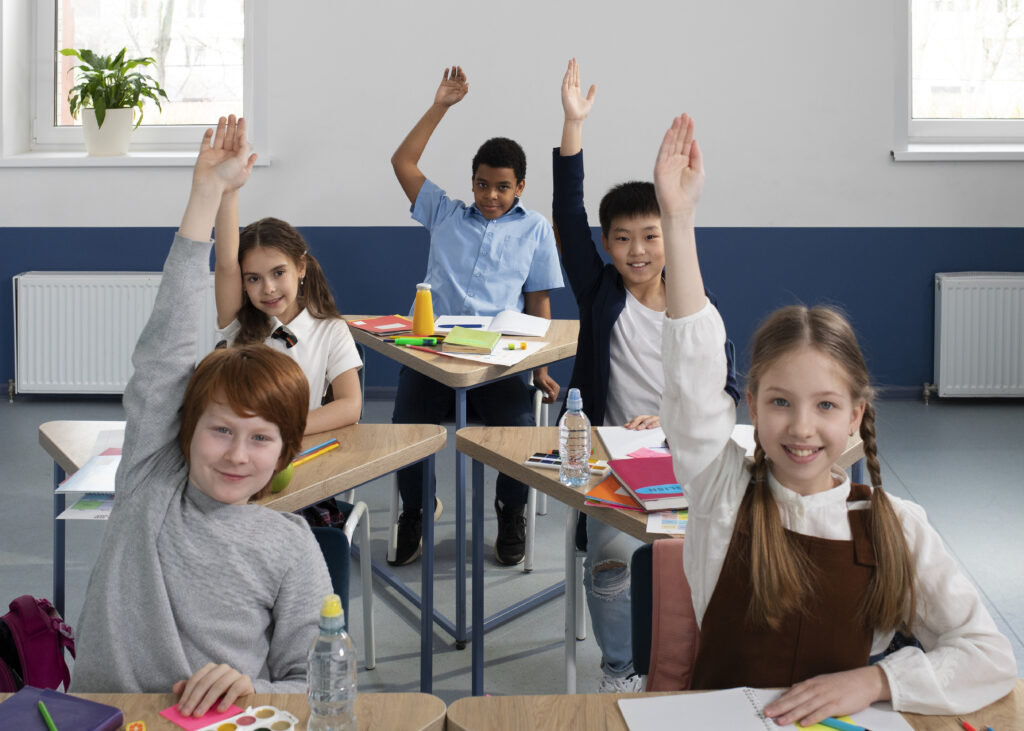

Trauma-sensitive schooling is an approach that recognizes and responds to the impact of trauma on student learning, behavior, relationships, and development. It is grounded in the understanding that trauma, such as abuse, neglect, violence, loss, or instability, can deeply affect how students engage in school, form relationships, and regulate emotions.
Who is the course designed for
The course has been designed for educators, support staff, and paraprofessionals who deliver services directly or indirectly to children and adolescents in the public, private and international sectors. Relevant professionals include teachers, school counselors, adjustment counselors, child-care staff, college counselors, education-related health professionals, educational psychologists, juvenile-detention and youth prison educators, and social workers.
Organizations include independent/private, public, and international preschool, middle, elementary, and high-schools, colleges, residential settings, juvenile detention centers, youth prisons, and children’s homes.
Trauma-sensitive schooling doesn’t require knowing a student’s trauma history, rather, it’s a universal approach that benefits all students by promoting resilience and a supportive classroom climate.
Course duration & pace of learning
✓ 13 hours / 13 lessons
✓ Self-paced learning
✓ Recommended over 13 weeks.
Course availability
✓ 12 months
Course certification
✓ Following course completion, click on the link to download your Certificate of Course Completion with the stated number of Continuing Professional Development (CPD) hours.
Course credits
✓ Completion of this course course provides 13 points towards the purchase of future courses.
Course objectives

Over the duration of the course students will learn how to:
- Create a physically and emotionally safe classroom environment through restorative practices and the avoidance of punitive discipline.
- Foster trust between teachers and students through predictable routines and transitions, visual schedules, and clear expectations.
- Give students choices and a sense of control in their learning environment to build student agency.
- Involve students and families in decision-making and working with colleagues to support students.
- Develop a context of cultural safety in the classroom by recognizing and respecting diverse backgrounds and experiences, and avoiding assumptions or stereotypes.
- Enable students to emotionally regulate by using calm non-reactive communication (co-regulation), teaching social emotional learning, and mindfulness and identifying and avoiding trauma triggers.
Academic books and references
Books and academic references are provided to help educators access and explore rigorous research findings.
OpenAI ChatGPT
You are advised to utilize ChatGPT to ask questions throughout lessons. To ask your questions, open the ChatGPT search page (click on the link):
NB: There is no research evidence to support ChatGPT strategies for individual clients mental health.
Photos by Freepik