
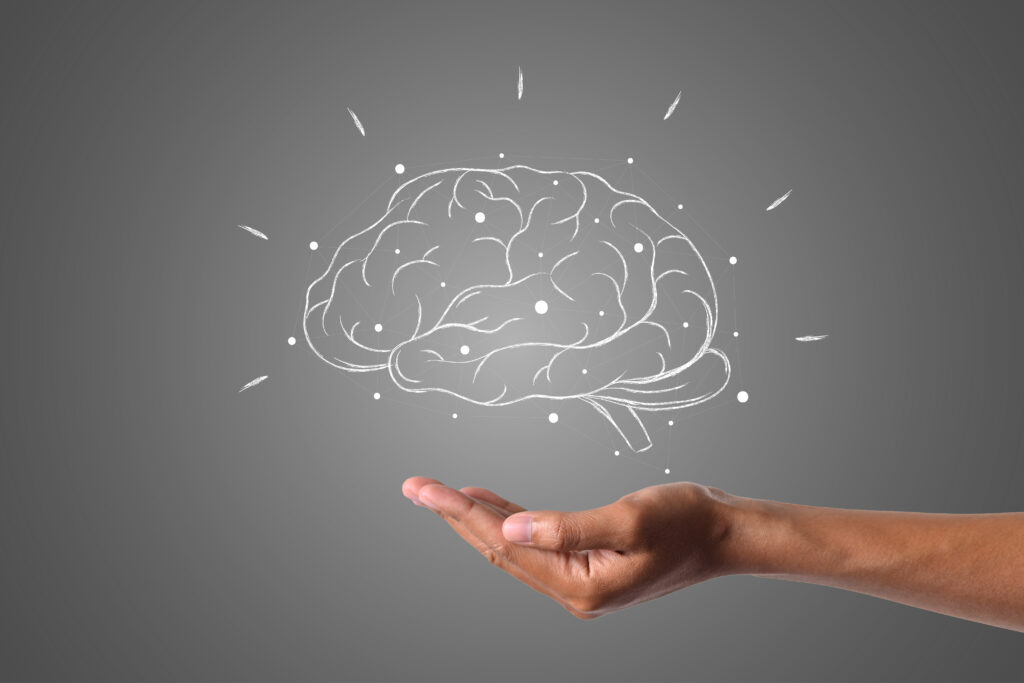
iSTEP-GLOBAL experts share how the neurobiology of traumatic memory course explains how the brain processes and stores experiences of trauma differently from everyday memories. During a traumatic event, the brain’s fear center, the amygdala, becomes highly activated, while the hippocampus, responsible for organizing memory and time, becomes disrupted.
This results in fragmented, sensory-based memories that feel vivid, intrusive, and emotionally charged, often triggered by reminders of the trauma. Participants learn how educators ad support staff can explain the neurobiology of trauma (psycho-education) for children and adolescents and their parents/caregivers in a transformational way that enhances meaning making and empowerment.
The course can be taken as this independent course or is available within the deep dive course – Child Trauma, Exposure, Symptoms & Neurobiology. For the latter, please click on the link below.
https://istep-global.com/our-courses/
Who is the course designed for
The course has been designed for all educators, support staff, and paraprofessionals who deliver services directly and/or indirectly to children, adolescents, and teachers in the public, and private sectors. Relevant professionals include teachers, school counselors, adjustment counselors, child-care staff, college counselors, education-related health professionals, educational psychologists, juvenile-detention and youth prison educators, and social workers.
Organizations include independent/private and public preschool, middle schools, elementary schools, high-schools, colleges, residential settings, juvenile detention centers, youth prisons, and children’s homes.
Course duration & pace of learning
✓ 4 hours (9 micro-learning lessons)
✓ Self-paced learning
✓ Recommended over 4 weeks.
Course availability
✓ 12 months
Course certification
✓ Following course completion, click on the link to download your Certificate of Course Completion with the stated number of Continuing Professional Development (CPD) hours.
Course credits
✓ Completion of this course course provides 4 points towards the purchase of future courses.
Course objectives
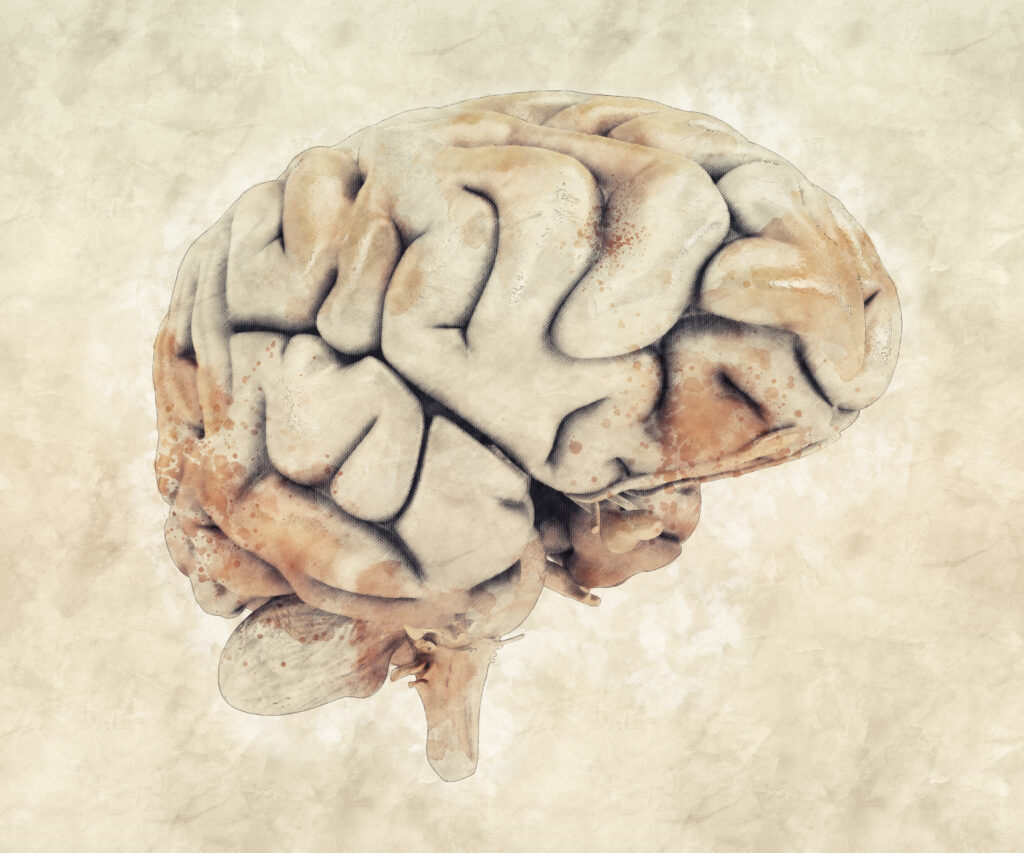
- To understand brain responses to trauma by discovering how key brain structures (e.g., amygdala, hippocampus, prefrontal cortex) respond during and after traumatic events.
- To explore how traumatic memories are stored and affect memory formation, storage, and recall, including the role of sensory triggers, and emotional intensity.
- To recognize trauma-related behaviors by linking students’ trauma-related behaviors, e.g. dissociation, hyper-vigilance, or emotional outbursts, to underlying neuro-biological processes.
- To apply brain-informed strategies in the classroom by using knowledge of the brain to implement trauma-sensitive practices that support regulation, memory integration, and learning.
- To support safe and predictable learning environments by designing classroom routines and responses that reduce stress, minimize re-traumatization, and promote a sense of safety and control.
Books, video, websites & academic references
Books, video, websites and academic references are provided to help educators access and explore rigorous practice and research findings.
Open AI
You are advised to utilize ChatGPT to ask questions throughout lessons. To ask your questions, open the ChatGPT search page (click on the link below or copy the link into your browser).
NB: There is no research evidence to support ChatGPT strategies for individual client’s mental health.
Photos by Freepik https://www.freepik.com/